
Religious monuments

There was a church in Ruma even in the Turkish era, due to Defters, in which priests are also mentioned.

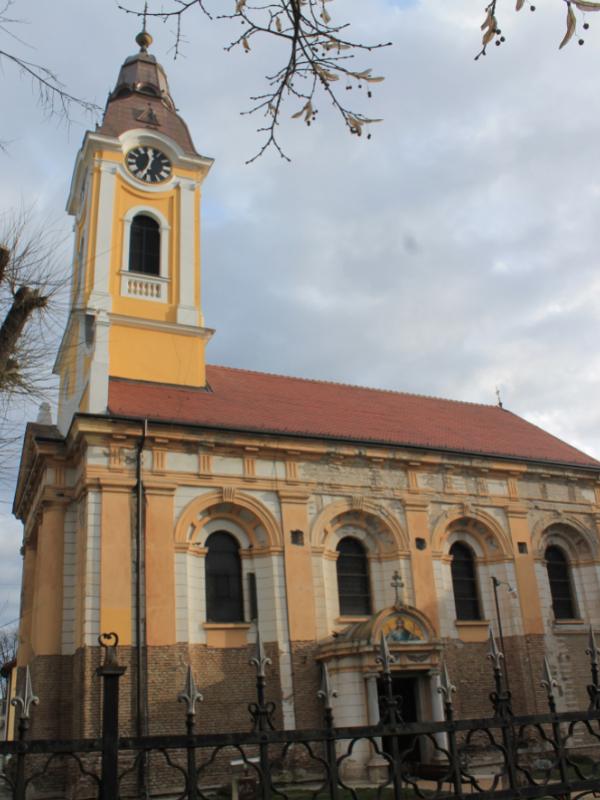
The oldest is the St. Nicolas Church (1758), three years later the Church of the Ascension Orthodox church (1761) was built, then the Catholic church Feast of the Cross (1813), and in the middle of the 19th century so-called Greece church or today Orthodox Church of the Congregation of the Holy Spirit.


These churches also contain valuable works of art, such as the iconostasis of Uroš Predić in the Church of the Congregation of the Holy Spirit or the work of Stefan Tenecki in the Ascension Church. Much later, the Jewish synagogue was built like a representative building (unfortunately, the synagogue was destroyed during the Second World War).
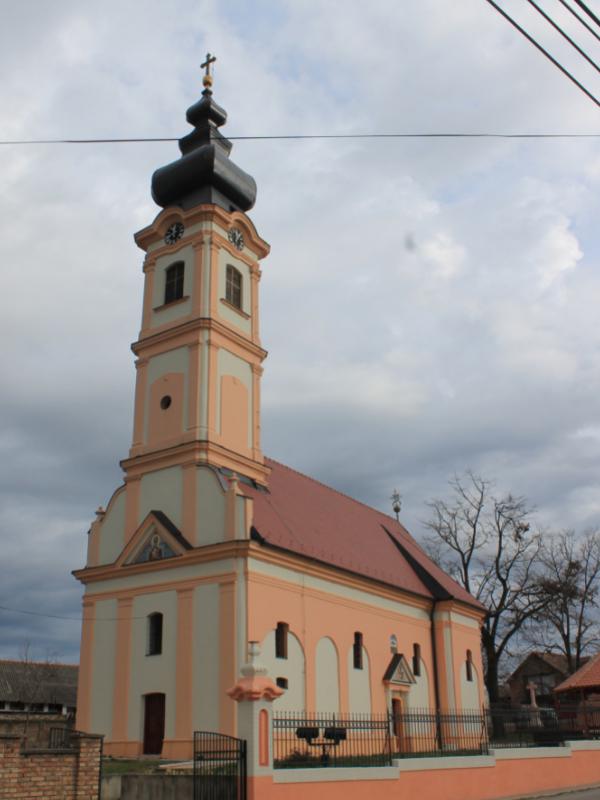
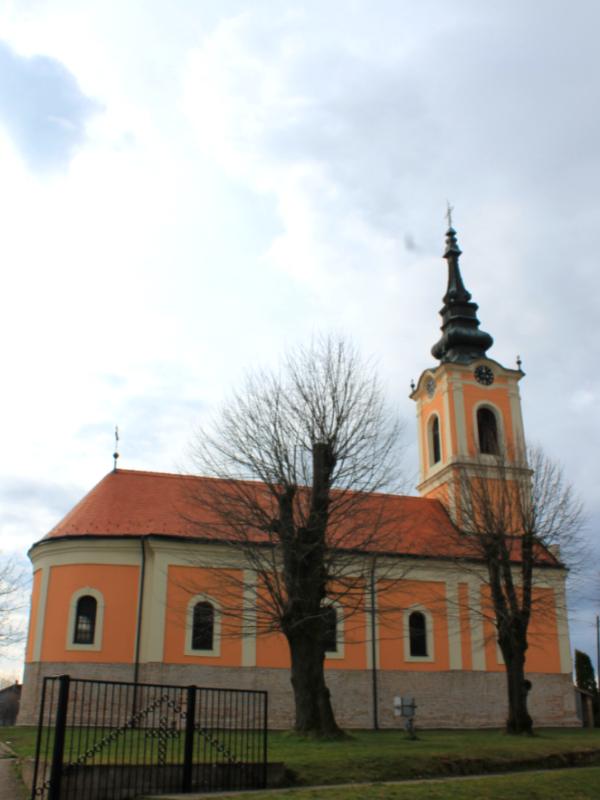
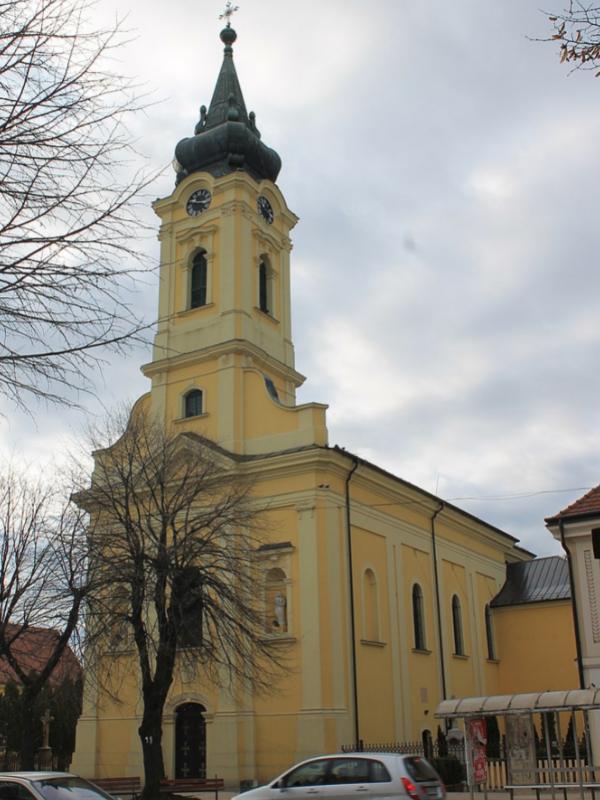
St. Nicholas Church is the oldest church in Ruma built on the site of the former wooden church dedicated to the same saint.

St. Nicholas Church


St. Nicholas Church is the oldest church in Ruma built on the site of the former Wooden church dedicated to the same saint, as evidenced by the records in the Turkish notebook from 1566. In 1758, a solid material church was built, as one of the oldest baroque churches in Vojvodina.


Priest Pantelejmon Hranisavljević founded the first “small Slavic school” in Ruma, in this temple

The church was decorated by artists from Novi Sad, father and son of the same name, Pable Čortanović, experts in wall painting, while the Mother Mary with baby Jesus on the Mother’s throne was painted by Pavle Simić.


For decades, this church commemorated St. Nicholas Summer on the 22nd of May, so that, at the request of the citizens, it became a city celebration that has been celebrated for ten years.

Church of Holy Ascension


The Church of the Holy Ascension was built on the other side of the Borkovac stream, where the settlement was expanding, with the approval of Empress Maria Theresa.

The Church of the Ascension was completed in 1761, it was significantly larger than the Nikolaev Church, and its iconostasis was painted by the famous artist of that time, Stefan Tenecki.


In its gate, the priest Pantelejmon Hranisavljević founded a small Slavic school, which after a few years grew into a higher level of education in terms of the subjects studied and the qualifications of the lecturers. But unfortunately, it did not last long.


On the site of the former small school, the Saint Sava Home was built in 2002 with contributions from donors and voluntary work.

Orthodox Church of the Congregation of the Holy Spirit


The Congregation of the Holy Spirit The third Orthodox church is also mentioned from the end of the 18th century and was built of cham boards, devastated and prone to falling.


As the city developed more and more, a large number of Orthodox merchants bought houses in the center of the town where, with their contributions, a new place of worship was built in the middle of the 19th century, which was renovated and consecrated in 1905. Since then it has been named the Congregation of the Holy Spirit.


Since the contributions of donors were dominated by Greek merchants, the people of Ruma also called it the Greek Church. The design for its iconostasis was given by the Viennese architect Herman Bole, and the iconostasis was painted by the famous painter Uroš Predić.


Roman Catholic Church


The Roman Catholic Church existed in Ruma from the end of the 18th century. It was made of wood without decorations and a tower and was not big enough to accommodate all the believers.


Therefore, with the efforts of the inheritor Baron Marko Pejačević, the founder of the city, in 1813 the new Church of the Exaltation of the Holy Cross was built as a single-nave classicist building.


The representation of the Exaltation of the Holy Cross on the main altar was made by Vinsens Dojčer. Holy Mother Immaculate and St. Ivan of Nepomuk are works by unknown authors, while Konstantin Pantelić was hired to paint St. Wendalin, and Hungarian artist Peškija was hired for the Annunciation. A special feature of the church is the organ bought in Vienna five years before the construction was completed, which unfortunately is not in operation today.

[qode_advanced_image_gallery type=”grid” enable_image_shadow=”no” number_of_columns=”four” space_between_items=”small” image_size=”400×400″ images=”2582,2584,2586,2588″]